
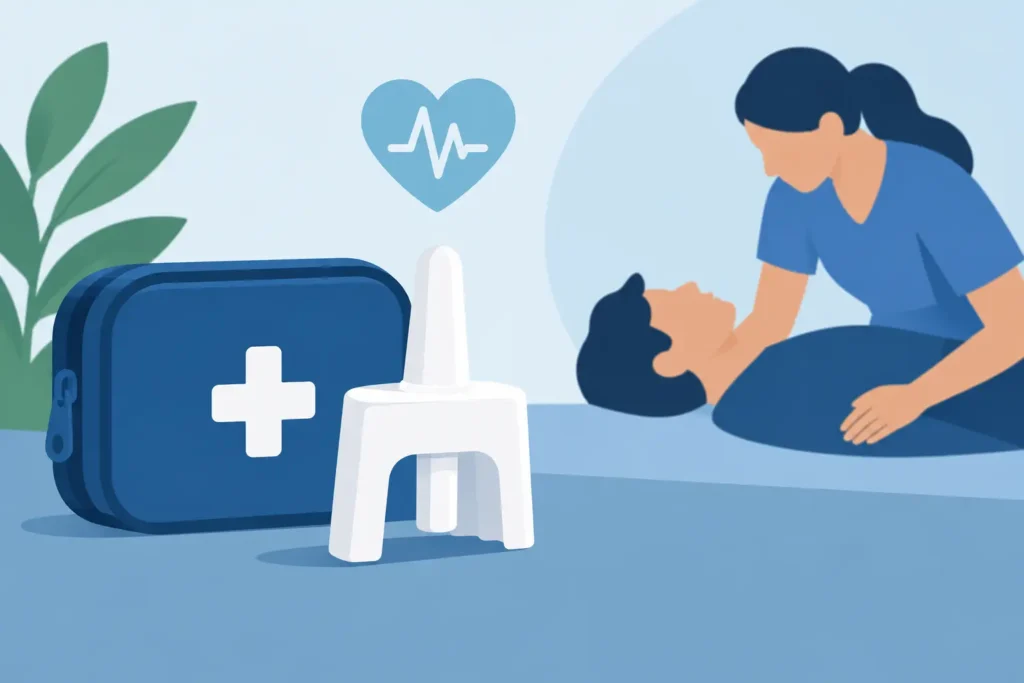
A person who has taken too much of an opioid may not be able to ask for help. Their breathing can slow or stop while the people around them assume they are sleeping. Opioid overdose prevention naloxone planning gives families, friends, and caregivers a practical way to act during those first critical minutes.
Naloxone is an emergency medication that can reverse an opioid overdose by blocking opioids at receptors in the brain. It can restore breathing in someone affected by drugs such as oxycodone, hydrocodone, morphine, heroin, fentanyl, or certain opioid treatment medicines. It does not reverse overdoses caused only by stimulants, alcohol, benzodiazepines, or other non-opioid substances. Still, if opioids may be involved, giving naloxone is the right move. It will not harm someone who does not have opioids in their system.
Why Naloxone Belongs in an Overdose Prevention Plan
Naloxone is not a substitute for emergency care, and it is not a judgment about a person’s medication use. It is a safety tool, much like a fire extinguisher or an epinephrine auto-injector. An overdose can happen to a person using an opioid prescription exactly as directed, particularly after a dosage change, during illness, or when other sedating substances are added.
The risk rises when opioids are combined with alcohol, sleep medications, or anti-anxiety medications such as benzodiazepines. These substances can all suppress breathing. Tolerance also changes quickly. Someone returning to opioid use after detox, a hospital stay, incarceration, or a period without use may be at increased risk because the amount they once tolerated can become dangerous.
Fentanyl has made this planning more urgent. It can be present in illicit pills and other drugs without the person knowing. Because fentanyl is highly potent, more than one dose of naloxone may be needed. That possibility should not delay the first dose or a call to 911.
How to Recognize an Opioid Overdose
An overdose is a medical emergency, not something to “wait out.” Look for a combination of signs rather than relying on one symptom alone. A person may be difficult or impossible to wake, have slow, shallow, irregular, or absent breathing, make gurgling or snoring sounds, or have blue, gray, or unusually pale lips and fingertips. Their pupils may look very small, often described as pinpoint pupils.
Snoring that cannot be interrupted by calling their name or rubbing firmly on the center of their chest can be a warning sign. Do not assume the person just needs sleep. If you are uncertain whether it is an overdose, treat it as one. The risk of waiting is far greater than the risk of giving naloxone unnecessarily.
What to Do When Someone May Be Overdosing
Call 911 immediately. Tell the dispatcher that the person is unresponsive and breathing slowly or not breathing. If you know opioids are involved, share that information. Emergency responders need accurate details to provide the right care.
Give naloxone as directed on the product label. Nasal naloxone is designed for use by people without medical training: place the tip into one nostril and press the plunger to deliver the dose. Injectable products have different instructions, so review the packaging before an emergency happens. Keeping the directions with the medication is a simple but valuable step.
Support breathing while waiting for help. If you are trained in rescue breathing or CPR, begin it. Place the person on their side in the recovery position if they are breathing on their own, which can help keep their airway clear and reduce choking risk if they vomit. Stay with them until emergency professionals arrive.
If there is no improvement in breathing or responsiveness after two to three minutes, give another dose if one is available. Naloxone can wear off before the opioid does, especially with fentanyl or long-acting opioid medications. A person who wakes up can become unconscious again, which is why medical evaluation remains necessary even when they appear better.
Prepare Before an Emergency Happens
A naloxone kit works best when people know where it is and how to use it. Keep it in an accessible, visible location at home. If an opioid is carried outside the home, consider keeping naloxone nearby as well, while protecting it from extreme heat, cold, and direct sunlight. Check the expiration date periodically and replace it when needed.
Tell trusted people where the naloxone is stored. This conversation can feel awkward, but it saves time under pressure. A roommate, partner, adult family member, or close friend should know the basic signs of overdose, how to call 911, and how to find the kit. Many communities offer brief naloxone training, but the medication’s instructions should also be understandable in the moment.
People taking opioid pain medication should discuss overdose risk with a licensed clinician or pharmacist, particularly if they also use medications for anxiety, sleep, muscle spasms, or seizures. The goal is not necessarily to stop needed treatment. It is to identify combinations, health conditions, and dosage changes that call for added caution.
Safer Habits Reduce Risk, Too
Naloxone addresses an emergency after it begins. Prevention also means reducing the circumstances that make an overdose more likely. Take opioid medication only as prescribed and avoid mixing it with alcohol or sedating drugs unless a licensed prescriber who knows your full medication list has specifically advised otherwise.
Avoid taking opioids alone when possible. If a person uses opioids outside medical direction, having someone nearby who can recognize an overdose and respond may be lifesaving. For people who do use alone, local overdose-prevention services may offer additional safety planning options.
Secure opioid medications in a locked location, especially in homes with children, teenagers, guests, or anyone at risk of unintended access. Unused medication should be disposed of through approved take-back options rather than saved “just in case.” Keeping an old prescription can create risk long after the original pain episode has passed.
Opioid dependence is treatable. Medications such as buprenorphine, methadone, and naltrexone can be part of evidence-based treatment, alongside counseling and recovery support when those are wanted or helpful. A return to use after a break should be treated as a high-risk period, not as a personal failure.
Common Questions About Naloxone
Can naloxone cause an overdose?
No. Naloxone reverses opioid effects and does not produce an opioid high. In someone physically dependent on opioids, it can trigger sudden withdrawal symptoms such as nausea, sweating, agitation, or pain. Those symptoms can be distressing, but an untreated overdose is far more dangerous.
Should you still call 911 if naloxone works?
Yes. Naloxone may wear off, and the opioid can continue affecting the body. A person needs monitoring and may need additional naloxone, breathing support, or treatment for other substances that could be involved.
Who should consider keeping naloxone?
Anyone who takes opioids, lives with someone who takes opioids, supports a person with opioid use disorder, or may encounter an overdose should consider it. That includes families caring for someone with a pain prescription, not only people who use illicit drugs.
The most useful time to think about naloxone is before anyone needs it. Keep it available, make a simple emergency plan with the people around you, and treat every suspected overdose as a reason to act quickly and call for help.