
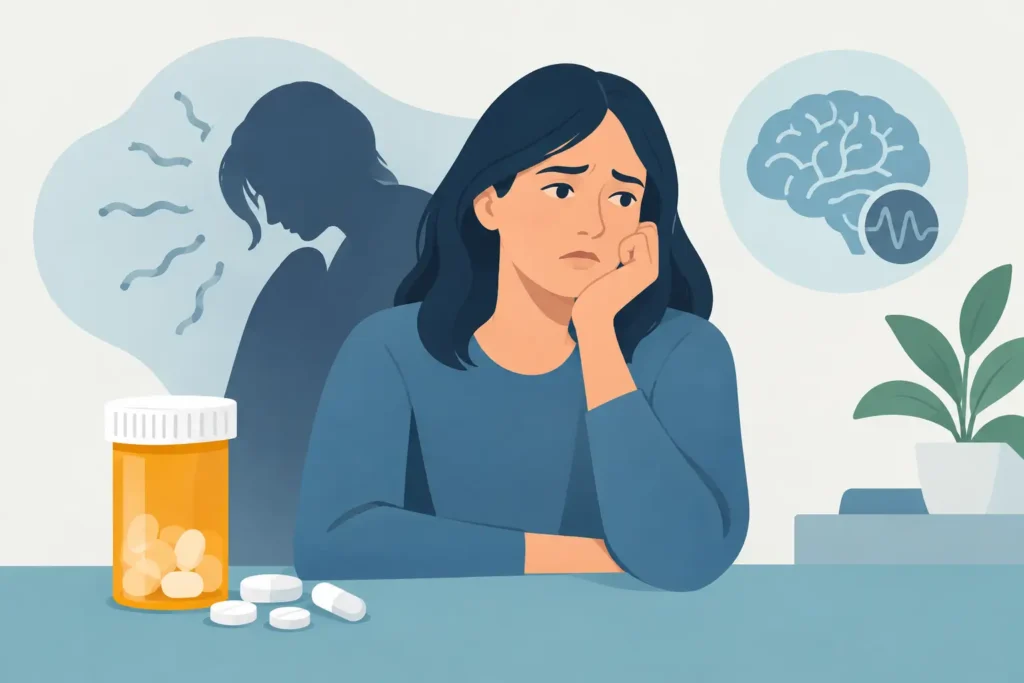
A refill running low should not trigger panic, shaking, or a feeling that you cannot get through a normal day without a pill. Those experiences can be benzodiazepine dependence warning signs, especially when a medication that once helped with anxiety or sleep starts to feel necessary just to feel normal.
Benzodiazepines are prescription sedatives that may be used for anxiety, panic symptoms, seizures, muscle spasms, or short-term insomnia. Common examples include alprazolam, clonazepam, lorazepam, diazepam, and temazepam. They can provide real relief when used as directed, but they also carry a known risk of physical dependence, particularly with daily or near-daily use.
Dependence is not a moral failure, and it is not the same thing as addiction. The practical question is whether your body has adapted to the medication and whether stopping, delaying, or cutting back causes withdrawal symptoms. Recognizing that distinction early can help you make a safer next move.
What Benzodiazepine Dependence Can Look Like
Physical dependence can develop even when someone takes medication exactly as prescribed. Risk varies by medication, dose, length of use, individual health factors, and whether alcohol, opioids, sleep medications, or other sedating substances are involved. Shorter-acting medications may lead to symptoms between doses for some people, while long-acting medications can produce a slower, less obvious pattern.
One of the earliest changes is tolerance. A dose that once brought relief may seem weaker, so the person feels tempted to take it earlier, more often, or in a larger amount. Tolerance alone does not prove dependence, but it is a reason to pause and speak with the clinician who manages the medication.
Another common pattern is rebound symptoms. Anxiety, insomnia, irritability, or panic can return as a dose wears off, sometimes more intensely than before treatment began. It can be difficult to tell whether this is the original condition returning or withdrawal starting. The timing offers a clue: symptoms that predictably appear after a missed or delayed dose deserve medical attention.
Benzodiazepine Dependence Warning Signs That Need Attention
Watch for a change in how much mental energy medication management takes up. You may find yourself counting tablets repeatedly, worrying intensely about access, planning your day around dosing, or avoiding travel and social plans because you fear running out. Those concerns may be understandable, but they can also signal that the medication has taken on a larger role than intended.
Other warning signs include taking more than prescribed, using a dose for reasons outside the treatment plan, or continuing use despite problems with memory, work, driving, relationships, or mood. Some people begin using benzodiazepines alongside alcohol or another sedating medication to get stronger relief or sleep. That combination can dangerously slow breathing and increase overdose risk.
Physical and emotional symptoms after reducing or missing a dose are especially meaningful. They may include heightened anxiety, restlessness, sweating, tremor, nausea, headache, sensitivity to light or sound, poor sleep, irritability, and trouble concentrating. In more serious cases, withdrawal may cause confusion, hallucinations, severe agitation, or seizures.
A person does not need to show every sign to need help. If the medication feels harder to control, the safest approach is to address it before an urgent situation forces the issue.
Dependence, misuse, and addiction are related but different
Dependence means the body has adjusted to regular medication exposure. This can happen without craving, intoxication, or compulsive use. Misuse generally means taking a medication differently than prescribed, such as taking extra doses or mixing it with alcohol. Addiction, also called a substance use disorder, involves a loss of control and continued use despite harm, often with cravings and major disruption to daily life.
These categories can overlap, but labels should not delay care. Whether you are concerned about withdrawal, escalating use, or a loved one’s behavior, a qualified medical professional can help determine the right level of support.
Do Not Stop Benzodiazepines Suddenly
The most urgent message is simple: do not abruptly stop a benzodiazepine after regular use unless a medical professional tells you to do so. Sudden discontinuation can be medically dangerous. Seizures, delirium, severe confusion, and dangerously elevated distress can occur, particularly after higher doses, long-term use, or use of multiple sedatives.
A clinician may recommend a gradual, individualized taper. That often means reducing the dose in small steps over time while monitoring sleep, anxiety, physical symptoms, and other medications. There is no single schedule that fits everyone. A taper that is too fast can be destabilizing, while a plan that is thoughtfully adjusted can make symptoms more manageable.
Do not try to compensate for a missed dose with alcohol, opioids, or extra pills. Combining benzodiazepines with alcohol, opioid pain medicines, or other sedatives can suppress breathing, impair judgment, and raise the risk of a life-threatening overdose. If you are taking more than one medication that causes drowsiness, tell your prescriber and pharmacist exactly what you use, including over-the-counter sleep aids and supplements.
When to Seek Urgent Help
Call 911 or go to an emergency department right away for a seizure, fainting, severe confusion, hallucinations, chest pain, trouble breathing, blue or gray lips, inability to stay awake, or suspected overdose. If someone is difficult to wake after taking a benzodiazepine with alcohol or opioids, treat it as an emergency.
For non-emergency concerns, contact the prescriber who manages the medication as soon as possible. Be direct about your dose, how often you take it, any missed doses, other substances used, and symptoms that appear between doses. Accurate information is the fastest route to a plan that protects your safety. If you are in emotional crisis or having thoughts of harming yourself, call or text 988 in the United States for immediate crisis support.
A Practical Conversation to Have With Your Clinician
You do not need perfect language to start the conversation. You can say: “I have been taking this regularly, and I feel symptoms when I miss a dose. I do not want to stop unsafely. Can we make a plan?” That gives the clinician the information needed to evaluate dependence and discuss next steps.
Bring a complete list of medications and substances, including alcohol, cannabis products, opioid medications, sleep aids, and stimulants. It may feel private or uncomfortable, but withholding details can lead to unsafe recommendations. Also mention pregnancy, seizure history, liver disease, breathing disorders, and prior withdrawal experiences, since these factors can affect the safest taper and monitoring plan.
If anxiety or insomnia was the reason you started a benzodiazepine, ask about options that support the underlying problem during a taper. Depending on your situation, that could include therapy, non-sedating medication options, sleep-focused treatment, or a plan for managing panic symptoms. The goal is not simply to remove a medication. It is to help you function safely without being trapped by withdrawal or uncontrolled symptoms.
Support Starts With an Honest Next Step
Not every person who takes a benzodiazepine will develop dependence, and not every need for a refill is a warning sign. But panic at the thought of missing a dose, increasing use, withdrawal-like symptoms, or mixing sedatives are reasons to act promptly. A private, honest conversation with a licensed clinician can turn uncertainty into a safer plan. The earlier you ask for help, the more options you are likely to have.