
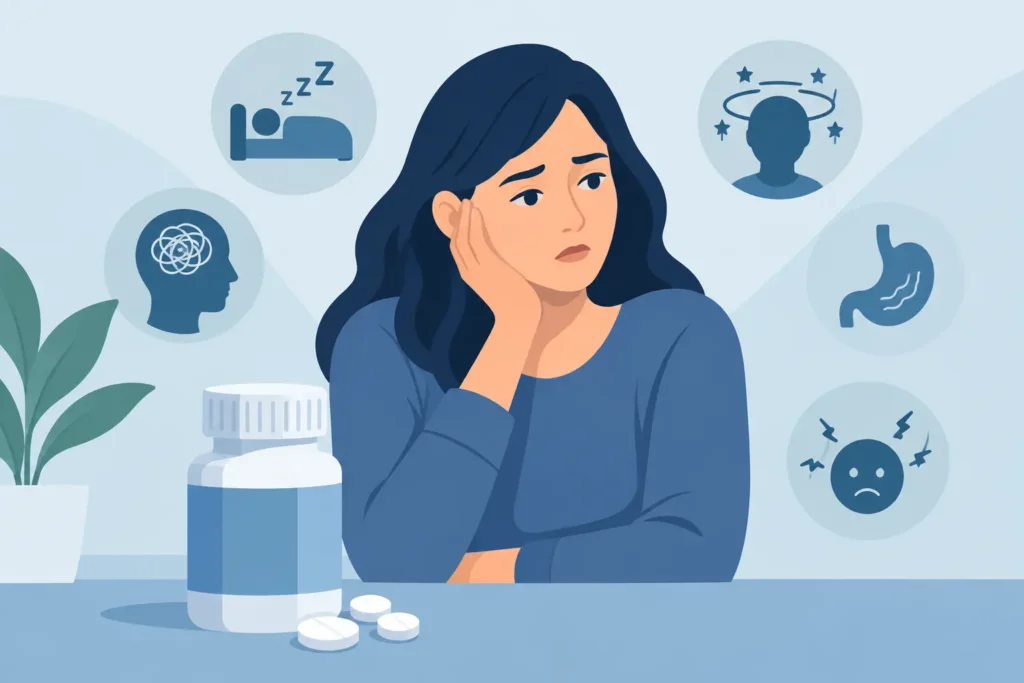
A dose that eases a panic surge can also leave someone feeling unsteady, foggy, or unusually tired later in the day. Understanding clonazepam anxiety side effects helps you recognize what may be expected, what deserves a call to your prescriber, and what requires emergency care. Clonazepam, often known by the brand name Klonopin, is a benzodiazepine that may be prescribed for panic disorder and certain seizure conditions. It can be effective for short-term symptom relief, but it also carries meaningful risks.
How Clonazepam Can Affect Anxiety Symptoms
Clonazepam slows activity in the central nervous system. For a person experiencing intense physical anxiety, that effect may reduce racing thoughts, trembling, muscle tension, and panic symptoms. The same calming action can affect alertness, coordination, memory, and reaction time.
People respond differently. A side effect that is mild for one person may be disruptive for another, especially when starting treatment, after a dose change, or when clonazepam is combined with another medication. Age, liver function, sleep habits, alcohol use, and other health conditions can all change how strongly it affects you.
Clonazepam is generally not a casual, as-needed solution for every stressful day. Because tolerance, physical dependence, and withdrawal can develop, it should be taken only as directed by the clinician who prescribed it.
Common Clonazepam Anxiety Side Effects
The most commonly reported effects are tied to sedation and slowed nervous-system activity. Sleepiness is especially common, and some people feel tired well into the next day. Dizziness, lightheadedness, poor coordination, and slowed reaction time can make driving, climbing stairs, working with equipment, or making quick decisions less safe.
Other common effects can include trouble concentrating, forgetfulness, confusion, slurred speech, muscle weakness, and blurred vision. Some people notice headaches, nausea, constipation, or changes in appetite. These symptoms may improve as the body adjusts, but persistent or worsening symptoms should not be ignored.
It can also be hard to tell whether fatigue or low motivation is coming from anxiety, depression, poor sleep, or clonazepam itself. Keeping a simple record of when symptoms appear in relation to a dose can give your prescriber useful information. Do not change the amount or timing on your own based on a few difficult days.
Mood and behavior changes
Although clonazepam is used to calm anxiety, a small number of people experience the opposite reaction. Agitation, irritability, restlessness, increased anxiety, nightmares, hostility, or unusual excitement can occur. These are sometimes called paradoxical reactions.
New or worsening depression, emotional numbness, impulsive behavior, or thoughts of self-harm need prompt medical attention. Tell a trusted person if you notice these changes, particularly if you feel unable to keep yourself safe. Call or text 988 in the US for immediate mental health crisis support, or call 911 if there is immediate danger.
Serious Risks That Need Fast Action
The most urgent clonazepam risks involve excessive sedation and slowed breathing. Get emergency help right away for severe drowsiness, difficulty waking up, fainting, confusion that is sudden or severe, very slow or shallow breathing, bluish lips, or loss of consciousness.
The danger rises sharply when clonazepam is mixed with alcohol, opioid pain medicines, illicit opioids, sleep medications, or other drugs that cause sedation. Combining these substances can suppress breathing even if each one has been used before. Avoid alcohol while taking clonazepam unless the clinician managing your care has specifically advised otherwise.
Extra caution is also needed with medications that may cause drowsiness, including some allergy medicines, muscle relaxants, antipsychotics, and sleep aids. A pharmacist or prescriber can review your complete medication and supplement list for interactions. Be specific about alcohol, cannabis, and nonprescription products as well.
Allergic reactions are uncommon but serious. Swelling of the face, lips, tongue, or throat; hives; wheezing; or trouble breathing requires emergency evaluation.
Dependence, Tolerance, and Withdrawal
Clonazepam can cause physical dependence, even when a person takes it exactly as prescribed. Dependence is not the same thing as addiction. It means the body has adapted to the medication, so stopping suddenly can trigger withdrawal symptoms.
Tolerance may also develop. This means a dose that once felt effective may seem less noticeable over time. Increasing the dose without medical guidance can raise the risk of injury, overdose, and dependence without necessarily providing better anxiety control.
Stopping clonazepam abruptly can cause rebound anxiety, insomnia, sweating, shaking, irritability, nausea, and panic symptoms. In more serious cases, withdrawal can lead to hallucinations, severe confusion, or seizures. The risk is greater after regular use, higher doses, or longer treatment periods, but there is no reliable do-it-yourself timeline for stopping safely.
If you want to discontinue clonazepam, contact your prescriber first. A gradual taper plan is often used to reduce withdrawal risk, and the pace should be individualized. Do not share clonazepam with someone else, and do not use another person’s medication as a substitute when you run out.
Who May Need More Careful Monitoring?
Older adults can be more sensitive to sedation, confusion, and balance problems, which can increase the chance of falls. People with breathing disorders, sleep apnea, liver disease, a history of substance use disorder, depression, or past suicidal thoughts may also need closer monitoring.
Pregnancy and breastfeeding require an individualized conversation with an obstetric clinician and the prescriber. Do not stop a prescribed medication suddenly because of a positive pregnancy test, but seek advice promptly. Both untreated severe anxiety and medication changes can carry risks that deserve careful planning.
If anxiety is occurring alongside chronic pain, insomnia, or opioid treatment, the medication picture can become more complicated. Make sure each clinician involved in your care knows what you are taking. One complete, current medication list can prevent dangerous overlaps.
Practical Safety Steps While Taking Clonazepam
Take clonazepam exactly as prescribed and use one pharmacy record whenever possible, so potential interactions can be identified. Until you know how it affects you, do not drive, operate machinery, or do activities where slowed coordination could cause harm.
Store it securely, out of reach of children, visitors, and anyone for whom it was not prescribed. Even one accidental dose can be dangerous for a child or for a person who is also using alcohol, opioids, or other sedatives.
Contact your prescriber if side effects interfere with work, caregiving, sleep, or daily tasks. Anxiety treatment is not limited to medication. Therapy, sleep support, coping skills, and treatment for related depression or panic symptoms may help reduce reliance on a sedating medicine over time.
The best next step is a direct conversation with the clinician who knows your health history: describe what you are feeling, when it started, what else you take, and how anxiety is affecting daily life. That clear information makes it easier to choose a safer plan that supports relief without overlooking the risks.